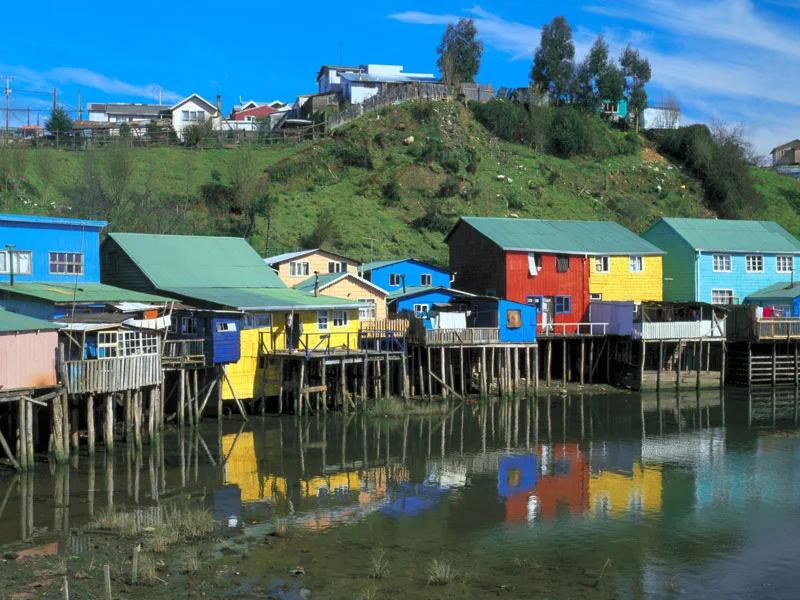
Accessible travel in Chile
Chile boasts a huge diversity of natural terrain. Ancient glaciers, snow-white salt plains, the driest desert on the planet, and a multitude of forests, lakes and active volcanoes. The terrain is mountainous — only one fifth of Chile's surface is flat. The greatest changes in relief occur as we move from east to west, where the terrain takes in Pacific islands, coastline, the coastal range of the Cordillera de la Costa, intermediate plains and valleys, and the majestic Cordillera de Los Andes.
Accessibility in Chile
Law Nº 19,284 calls for the complete social integration of people with disabilities. This law requires that all public buildings, private buildings built after 1994 (including hotels, restaurants, theaters and museums) and public transit be wheelchair accessible.
Santiago's Metro is progressively making subway lines more accessible. Public bus company Transantiago has access ramps and spaces for wheelchairs on new buses. Some traffic lights have audio-indicated crossings for the blind.
Chile's National Tourism Service (Sernatur) and the National Disabilities Service (Senadis) have put together a comprehensive guide to the country's best handicap-accessible hotels and lodging, including 115 places that have adopted measures to make them welcoming to disabled visitors. The guide, organized by region, evaluates each site through five criteria: parking, rooms, bathrooms, entrances, and accessibility of common areas.
Keep exploring
Tours in Chile
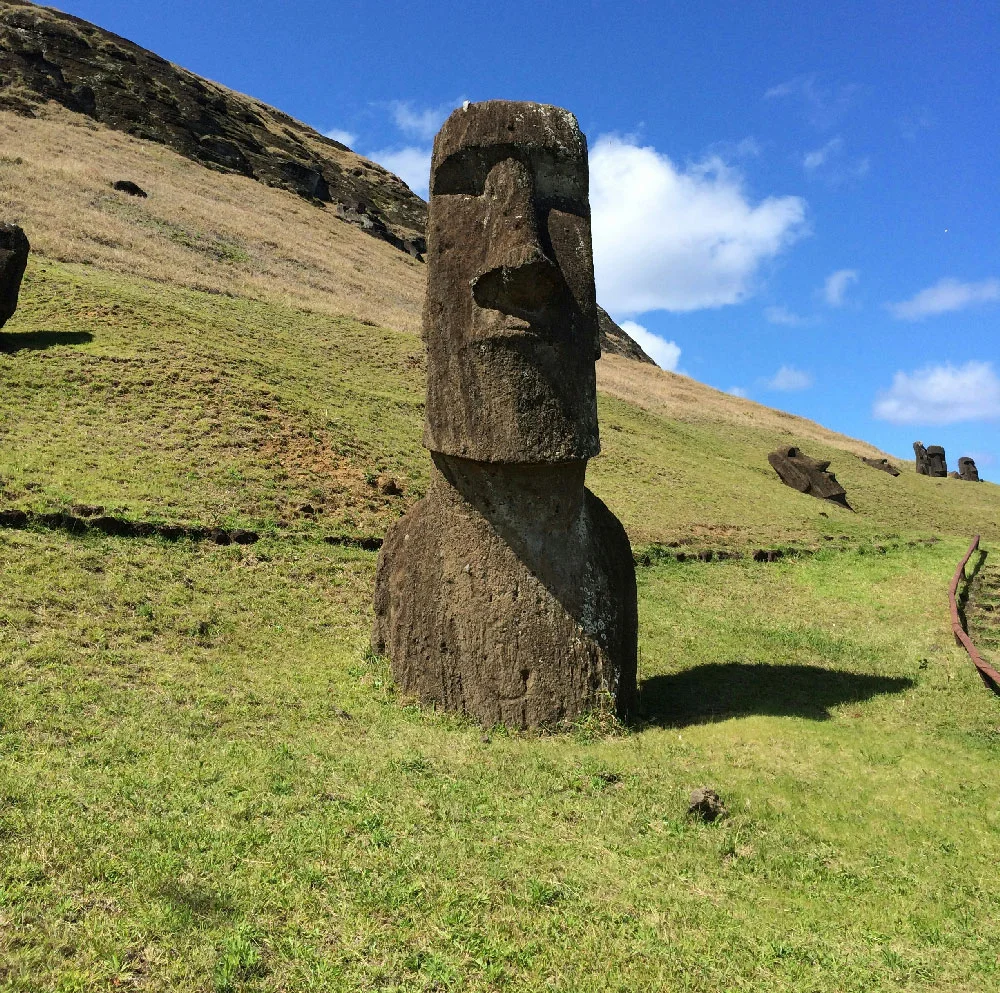
Easter Island (Rapa Nui)
On the step of the Polynesian Civilization
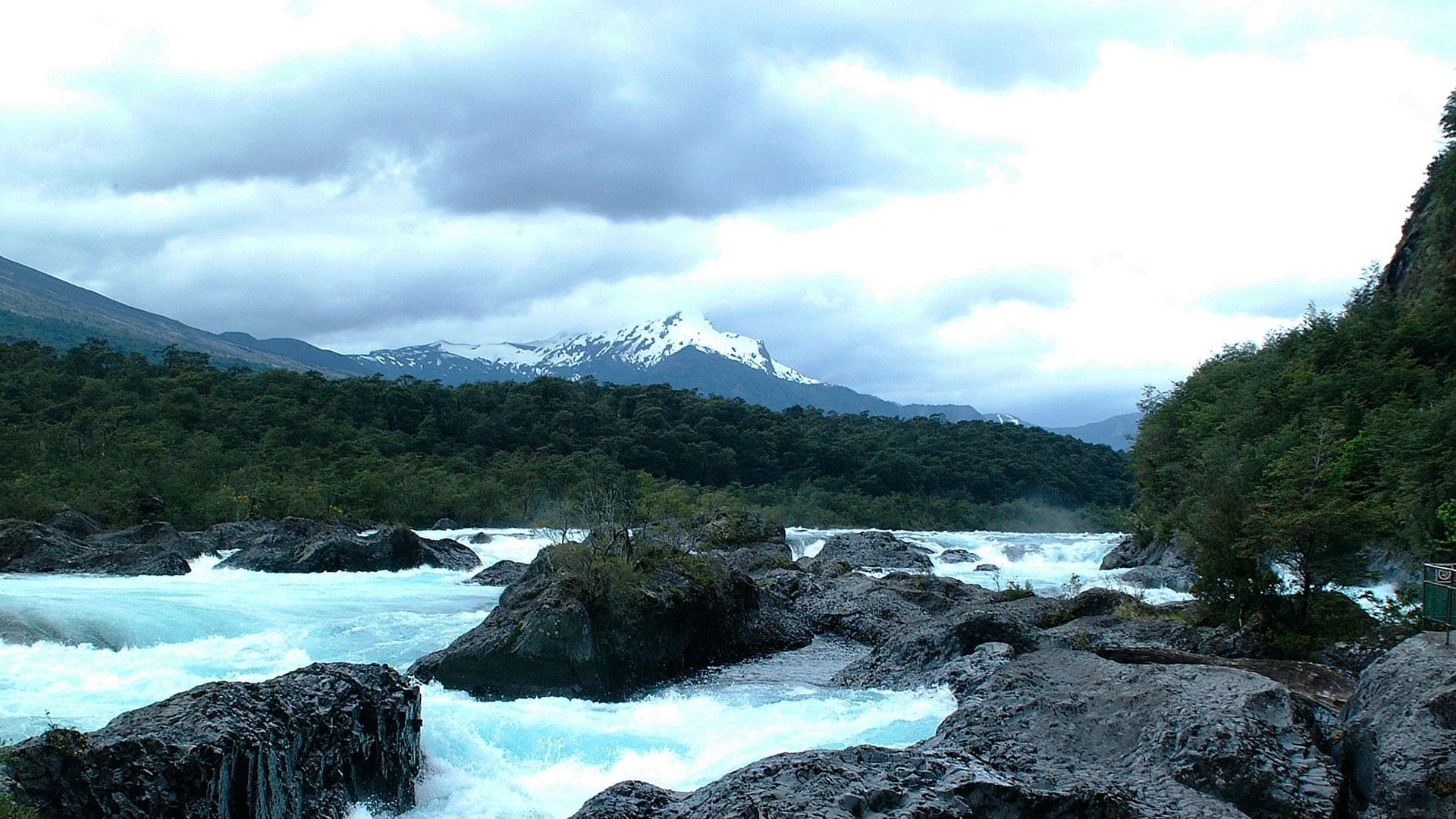
Lake Region & Patagonia, Chile
A 10-day inclusive adventure through Chile's most iconic destinations
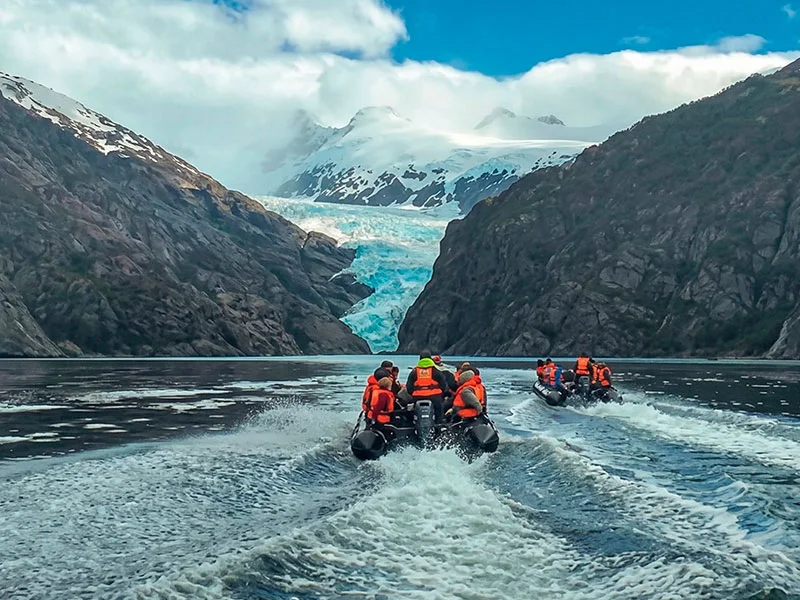
Patagonia Explorers Cruise
Sail the most remote landscapes of South America

Wine & Culture: Chile and Argentina
An unforgettable journey through South America's finest wine regions